Community Gardens and Urban Green Spaces Thriving in the East Valley This Summer

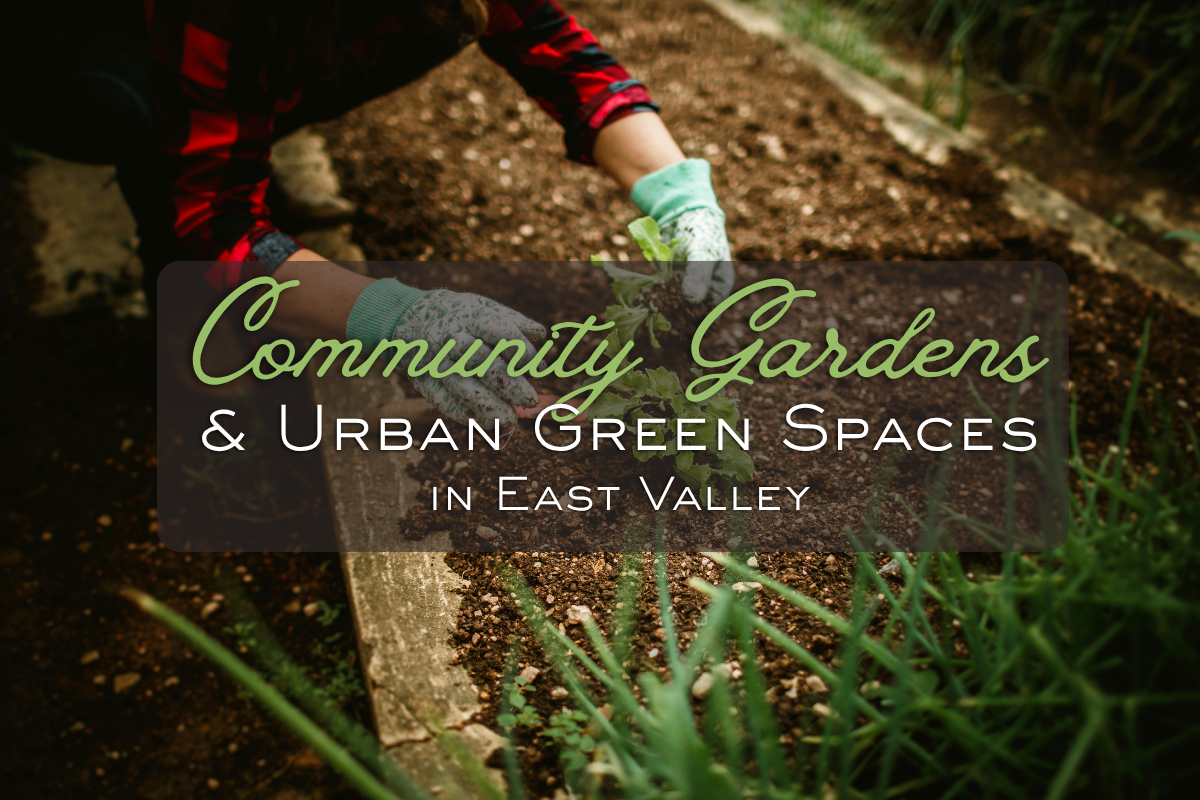
Tempe · Community Photo
In a desert climate where green space requires real intention to create and sustain, the East Valley's community gardens stand out as some of the most meaningful shared spaces in Tempe, Chandler, and Ahwatukee. These gardens deliver fresh produce, genuine community connection, and measurable wellbeing benefits that research increasingly confirms — making them one of the area's most underappreciated lifestyle assets heading into summer.
What Community Gardens Offer
Community gardens deliver benefits that extend well beyond the vegetables they produce. A growing body of research, including a scoping review published in the journal Wellbeing, Space and Society, found that community garden interventions consistently reduce depression and anxiety while increasing mindfulness, life satisfaction, and happiness among participants. Beyond mental health, gardens offer physical activity, recreation, civic pride, and a genuine sense of belonging that City of Tempe officials specifically cite as core reasons for supporting their local garden network. For seniors in particular, the social interaction that gardens provide has been linked to lower rates of loneliness, depression, and cognitive decline — making these spaces valuable across every stage of life.
Gardens Near Tempe, Chandler, and Ahwatukee
Tempe has built one of the most extensive municipal community garden networks in the East Valley, with seven distinct gardens recognized by the City. Escalante Community Garden, established in 2011 through the Tempe Community Action Agency, grows organic produce for both its volunteers and the TCAA Food Pantry, and has earned Certified Wildlife Habitat status from the National Wildlife Federation. Clark Park Community Garden, created in 2014 at the site of a former municipal pool, features 27 raised boxes available for community rental alongside aquaponics systems and a xeric garden demonstrating water-wise desert growing techniques. Foxtail Community Garden, a collaboration between Arizona State University students and local neighbors, offers a "Garden Gnome Community" with open plot availability and a free seed and plant exchange called The Garden Stand.
In Ahwatukee, the Ahwatukee Community Garden — known affectionately as the neighborhood's "secret garden" — operates at the Ahwatukee Swim and Tennis Center and has featured Indigenous Three Sisters companion planting beds showcasing the traditional corn, bean, and squash growing method passed down through generations of Native gardeners. Across the East Valley, these gardens are increasingly visible and welcoming spaces rather than hidden ones, with organizers actively inviting public participation in workshops and volunteer days throughout the growing season.
How to Get Involved
Joining an East Valley community garden typically starts with a direct conversation with the specific garden's organizers — Escalante and Clark Park both maintain active social media presences and contact emails for residents interested in plots or volunteer work. Many gardens, including FIGG Community Garden and Tiger Mountain Foundation's growing sites, welcome volunteers without requiring a formal plot rental, offering workdays, educational programming, and produce donation opportunities for those who want to contribute without committing to ongoing maintenance. For residents interested in starting a new garden in their own neighborhood, the City of Tempe's sustainability office actively welcomes inquiries and connects prospective organizers with resources and existing garden leadership for guidance.
Why Green Space Matters in the Desert
Research on green space access consistently shows that the psychological and physical benefits scale with both the quality and accessibility of the space — a particularly important finding in a desert climate where green space doesn't occur naturally and must be deliberately created and maintained. Studies have found that views of nearby nature improve worker productivity, reduce stress, and even lessen symptoms of attention difficulties, while regular green space access has been associated with measurably lower rates of psychiatric disorders over time. In the East Valley's intense summer heat, the shade, social connection, and sense of accomplishment that community gardens provide carry outsized importance — these spaces function as genuine respite, not just recreational amenities, in a climate that can otherwise feel isolating during the hottest months.
FAQs
Are there community gardens in the East Valley?
Yes — Tempe maintains seven recognized community gardens including Escalante, Clark Park, and Foxtail, while Ahwatukee is home to its own community garden at the Ahwatukee Swim and Tennis Center. Most welcome new members, volunteers, and visitors throughout the growing season.
How do I join a community garden in the East Valley?
Contact the specific garden directly through its listed email or social media — most East Valley gardens, including Clark Park and Escalante, maintain active Facebook and Instagram accounts where prospective members can ask about plot availability, rental fees, and upcoming volunteer workdays.
Discover more of what makes the East Valley a vibrant place to live on East Valley Loop.
Want to live somewhere that values green community spaces? Connect with Will Carter.
Sources: tempe.gov, acgarden.weebly.com, sciencedirect.com