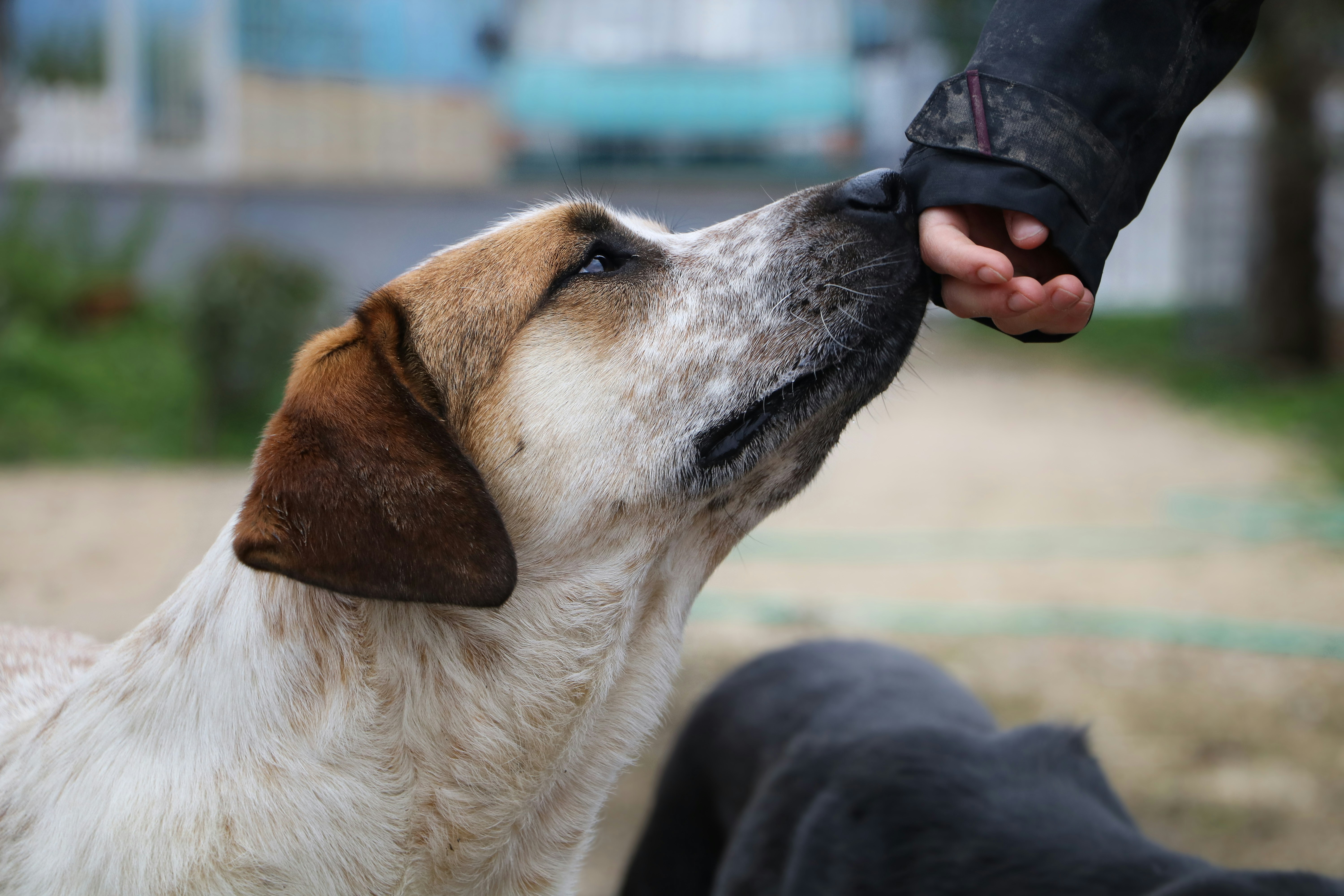
Most "Bad Dog" Problems Are Really Boredom Problems
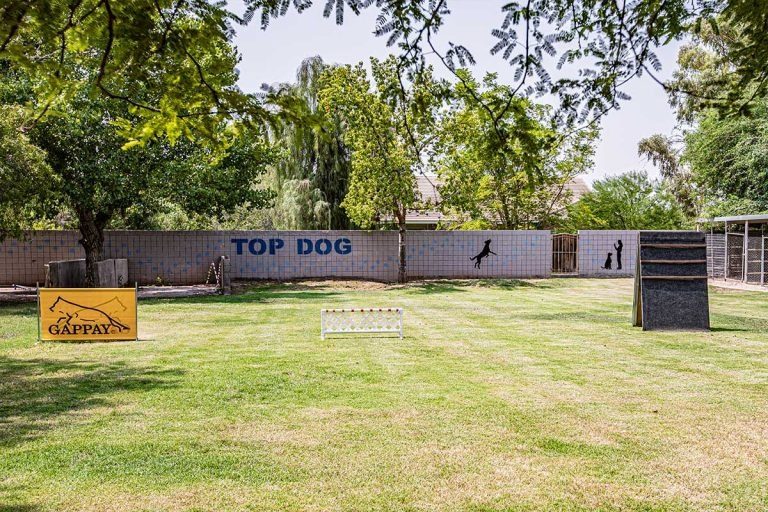

Tempe · Community Photo
The chewed shoe. The dug-up yard. The barking that starts the moment you leave. The dog who won't settle down in the evening no matter what.
Owners usually interpret these as behavior problems, stubbornness, or spite. Trainers tend to see something else first: a dog with more energy and mental capacity than the day is giving it somewhere to go.
Understanding that changes how you fix it.
Dogs were built to do things
Nearly every breed was developed to perform a job. Herding, retrieving, guarding, hunting, pulling. Those instincts didn't disappear when dogs moved into houses and yards.
A dog with a working brain and no work to do will invent some. Unfortunately, dog-invented jobs tend to be things like landscaping the flower bed, patrolling the fence line while barking, or systematically disassembling the couch.
None of this is defiance. It's an animal doing what it's built to do, with no better outlet available.
Physical exercise is only half of it
Owners often respond by adding a longer walk, then get frustrated when the behavior continues.
The missing piece is usually mental. A dog can be physically tired and still mentally restless. Mental work — problem-solving, sniffing, training, figuring things out — tires dogs in a deeper, more satisfying way.
Ten minutes of real mental work often settles a dog more than an extra half hour of walking. This is genuinely one of the most useful things a dog owner can learn.
Simple enrichment that works
You don't need special equipment:
- Food puzzles and stuffed toys. Make them work for meals instead of eating from a bowl in thirty seconds.
- Sniff walks. Let the dog choose the pace and stop to smell things. It's less about distance and more about letting them use their nose, which is mentally demanding.
- Short training sessions. Five minutes of practicing commands is real mental exercise.
- Hide and seek. Hide treats around a room and let them search.
- Rotate toys so a few are always novel.
Then there's the Arizona problem
Here's our specific challenge: for a good part of the year, the traditional answer — a long walk — isn't safe.
Pavement gets hot enough to burn paw pads badly. A useful rule is to press the back of your hand to the ground and hold it for several seconds. If you can't, your dog shouldn't be walking on it.
Heat itself is dangerous for dogs, who cool themselves far less efficiently than people do. Dogs can overheat quickly, and it can become an emergency fast. Never leave a dog in a parked car, even briefly. The American Veterinary Medical Association has clear guidance on hot weather safety worth reading.
This means Phoenix-area owners need indoor and early-morning strategies for months at a time — which is exactly when enrichment and training become essential rather than optional.
Structure helps more than people expect
Dogs do well with predictability. Consistent times for meals, exercise, training, and rest reduce anxiety and give a dog a sense of how the day works.
Consistency in rules matters too. If jumping is allowed sometimes and corrected other times, the dog isn't being stubborn — they're getting mixed information. Everyone in the household enforcing the same rules is often the fix for problems that seemed intractable.
Where professional help fits
A trainer helps with the specific problems that leave owners stuck: reactivity on leash, separation anxiety, jumping, pulling, or a dog who simply won't listen when it matters.
Just as importantly, a good trainer teaches you. Most training is really about changing what the human does. That's the part that sticks after the sessions end.
Structured boarding can serve a similar purpose. A good facility keeps dogs stimulated and exercised rather than simply contained, which is why many dogs come home from a well-run stay calmer than they left.
Top Dog Boarding and Training serves dog owners across the Greater Phoenix area with training programs and boarding.
A tired dog is a good dog
It's an old saying and it's mostly true, with one correction: a mentally tired dog is a good dog.
Before concluding your dog is badly behaved, ask what their day actually contains. Often the behavior problem solves itself once the dog has something better to do.
Get in touch Top Dog Boarding and Training — Shawn Thompson Email: info@topdogaz.com
Helpful links
- Hot weather pet safety (AVMA): https://www.avma.org/resources-tools/pet-owners/petcare/warm-weather-pet-safety
- Dog training and behavior (AKC): https://www.akc.org/expert-advice/training/