Neighborhood Associations and Block Clubs: How They Shape Life in the East Valley

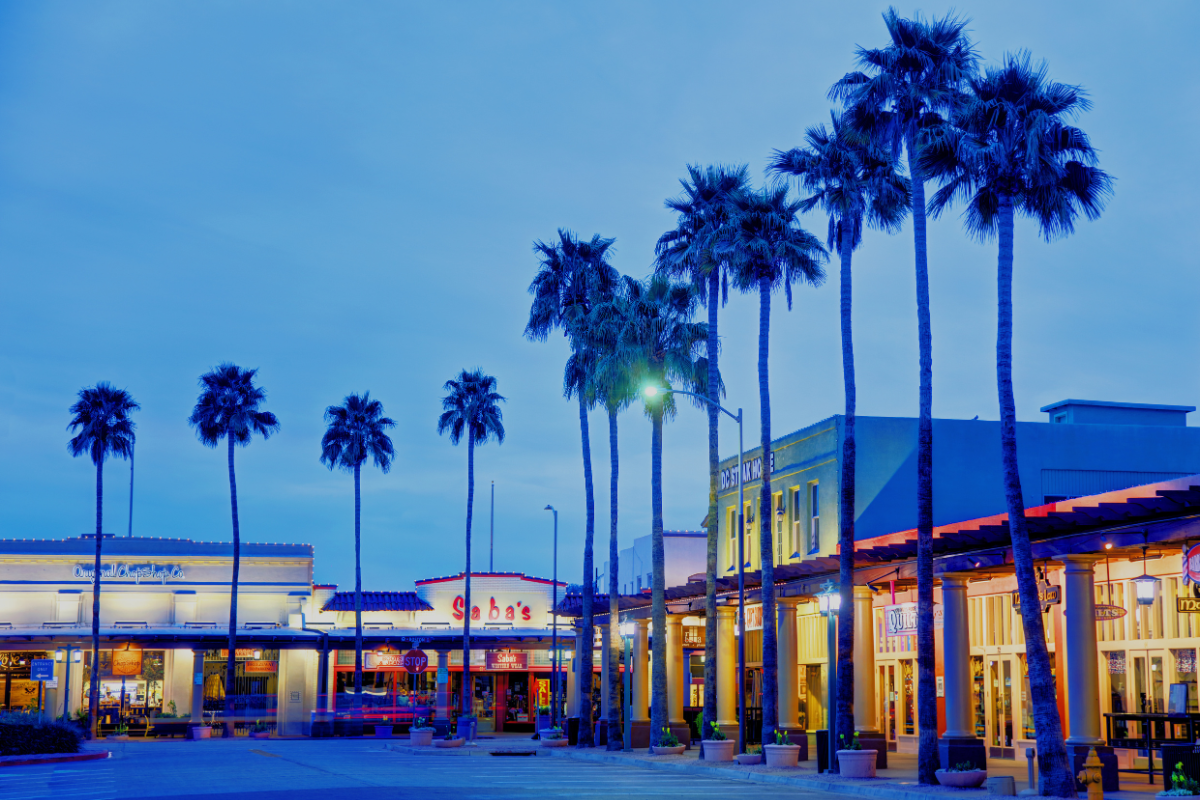
Tempe · Community Photo
Long before a moving truck pulls into a new driveway, most East Valley neighborhoods already have a quiet infrastructure of neighbors looking out for one another. That infrastructure usually has a name, a meeting schedule, and a small group of volunteers who keep it running: the neighborhood association or block club.
What Neighborhood Associations Actually Do
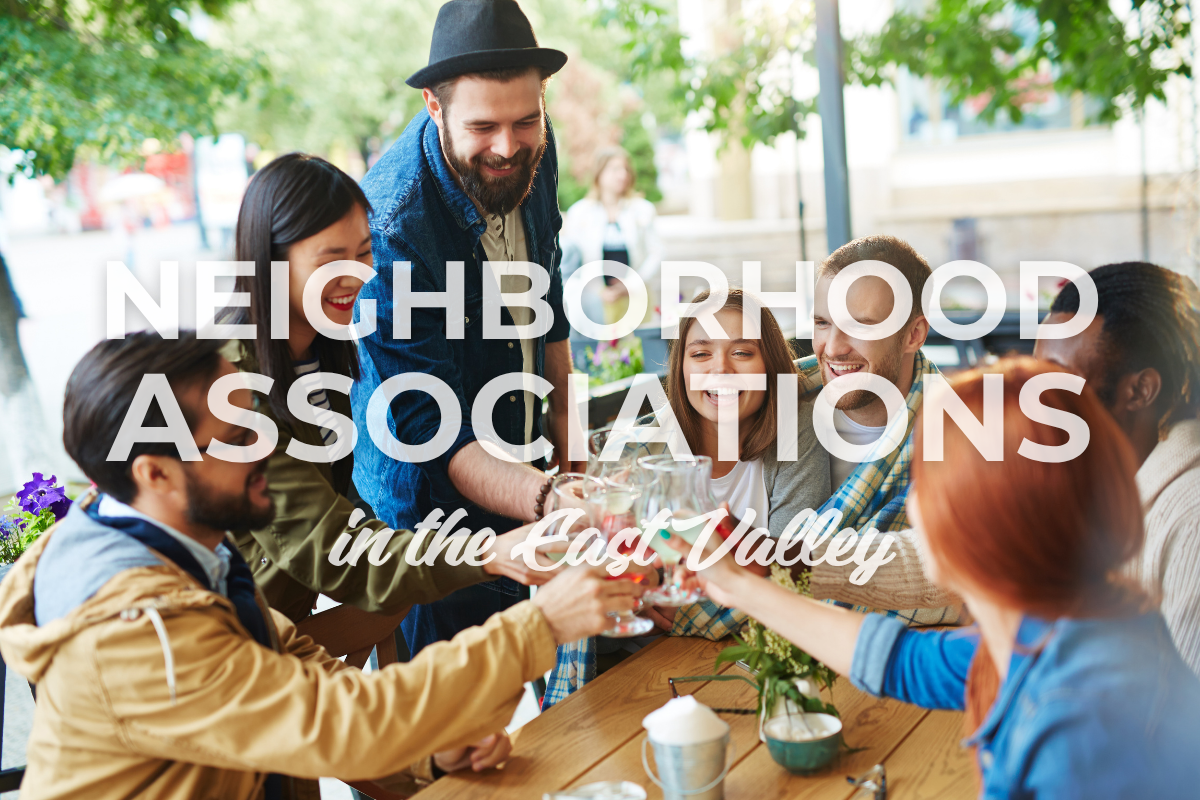
Across Mesa, Gilbert, Chandler, and Tempe, active neighborhood groups organize the kind of hands-on work that a city government rarely has the staff to handle at the block level. That includes community cleanups, seasonal block parties, and safety-watch programs coordinated with local police departments. Many associations also serve as the organized voice residents bring to city planning meetings when new development or zoning changes affect their area.
Finding the Group for Your Area
Coverage varies significantly from one East Valley neighborhood to the next, with some master-planned communities having a formal HOA and others relying on an informal, volunteer-led civic group instead. A good starting point is checking with the city's neighborhood services or code enforcement office, since most East Valley municipalities maintain some form of registry or point of contact for resident associations. Local social platforms and community Facebook groups are often where day-to-day association activity actually happens, even when the formal group has a lighter web presence.
Starting One From Scratch
Neighborhoods without a formal group typically start with something simple: one motivated resident hosting a meeting in a living room or community clubhouse. From there, the basics are consistent no matter the city — a rotating point of contact, a way to reach neighbors quickly, and a short list of shared priorities, whether that's traffic calming, event planning, or a communication channel for reporting concerns. Many successful associations begin as informal block-watch efforts and only formalize once there's enough sustained interest to warrant regular meetings.
Why This Kind of Engagement Matters
Research consistently links active neighborhood associations to stronger social cohesion and higher resident satisfaction, and some studies have found a connection to increased property values in areas with sustained civic participation. Beyond the numbers, these groups function as a training ground for local civic life, giving residents a direct channel to city hall and a reason to know their neighbors by name rather than by mailbox.
Frequently Asked Questions
What does a neighborhood association do?
A neighborhood association organizes residents around shared local concerns, from safety and cleanups to advocacy at city planning meetings, without the mandatory dues or covenants of a traditional HOA.
How do I find my neighborhood association in the East Valley?
Start with your city's neighborhood services office or code enforcement department, and check local community social media groups, which are often more active than any formal website.
How do neighborhood associations work?
Most are volunteer-run, meet periodically, and focus on communication, community events, and representing residents' interests to local government — distinct from HOAs, which typically have binding authority over property rules.
Learn more about community life and civic engagement on East Valley Loop.
Want to live in a neighborhood with a strong sense of community? Connect with Will Carter.